Africa is Committed for Nuclear
Over 10 African countries aiming for nuclear energy in the next decade.
Sub-Saharan Africa promising for new nuclear
Having engaged with officials from all the key African countries over the years, we have categorised the African nuclear prospects into 3 tiers based on government support for nuclear energy, timelines and infrastructure activities.
7 sub-Saharan African countries are committed to having nuclear as part of their energy mix between 2030 to 2037. These include Ghana, Uganda, Nigeria, Rwanda, Kenya, Zambia.
Ghana, Nigeria, Uganda have all developed a Nuclear National Position and are considering both large and small reactors.
What opportunities are there in the African nuclear market? Reach out to our team to learn more about the African nuclear market.
Africa Nuclear Industry Report
The 2025 edition of this 300-page report offers deep, specialized, and highly relevant intelligence on a strategically important and rapidly evolving market. It serves as a critical roadmap for international investors, vendors, and policymakers by clarifying the diverse and non-monolithic nature of the African nuclear landscape. In summary, the report provides a single, centralized source of verified and synthesized intelligence necessary for navigating the complexities and capitalizing on the growth of Africa's multi-billion-dollar nuclear energy sector.
Key highlights of this report include:
Risk Mitigation and Opportunity Mapping: The report provides a crucial analytical tool by clearly defining the market landscape through the NBP's Three-Tier Categorization of African nations. This structure helps investors quickly assess which countries have firm government commitment and tangible timelines versus those in earlier, riskier phases, enabling smarter capital allocation.
Market Size and Growth: The report quantifies the immense market opportunity, noting projections for up to 15,000 MW of new nuclear capacity by 2035, representing a potential investment market of approximately $105 billion.
Competitive Intelligence: It details the geopolitics of nuclear partnerships, identifying the dominant vendors—Russia, China, the US, France, and South Korea—and their specific offerings
Request for a sample copy of the report:
Market Insights
🇪🇹 Ethiopia has taken a historic step by signing a nuclear power plant development action plan with 🇷🇺 Russia! This project is crucial for overcoming hydropower dependence and meeting the soaring electricity demands of 🇪🇹 Ethiopia’s large population. To understand this strategic shift and the roadmap for Africa’s next nuclear power hub, read the full article.
Russia is defining Africa's nuclear future, leading the continent's expansion with turnkey solutions and state-backed financing. This proactive approach contrasts with Western hesitancy and creates enormous strategic opportunities across 16+ nations. Understand this geopolitical shift and the multi-billion dollar market stakes.
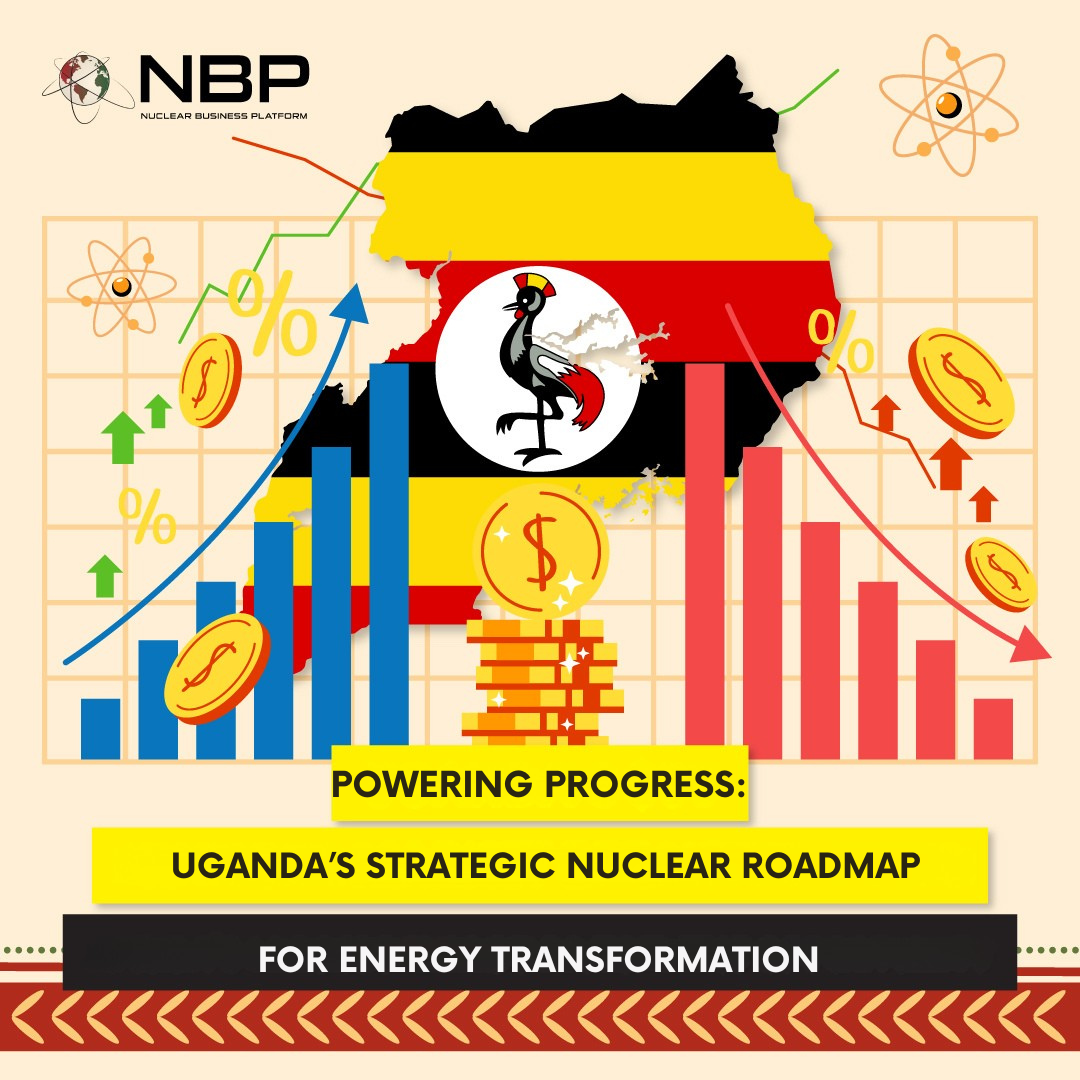
Uganda is trailblazing East Africa's nuclear future, targeting 24 GW by 2040! This massive plan is fueled by innovative finance models and a commitment to building a local supply chain from uranium to steel. Discover how to secure a stake in this high-growth East African market.
Africa's $100B nuclear market is poised for growth, but financing is the key challenge! Overcoming high costs and sovereign debt requires innovative solutions like vendor financing, PPPs, and PPAs. Smart risk management and strategic partnerships are vital for success.
Africa's uranium-rich nations are moving from suppliers to nuclear power players! Namibia, Niger, and Tanzania are leveraging their vast uranium reserves to build domestic nuclear infrastructure, drive industrialization, and secure energy independence. Discover how this strategic shift is reshaping the global nuclear market.
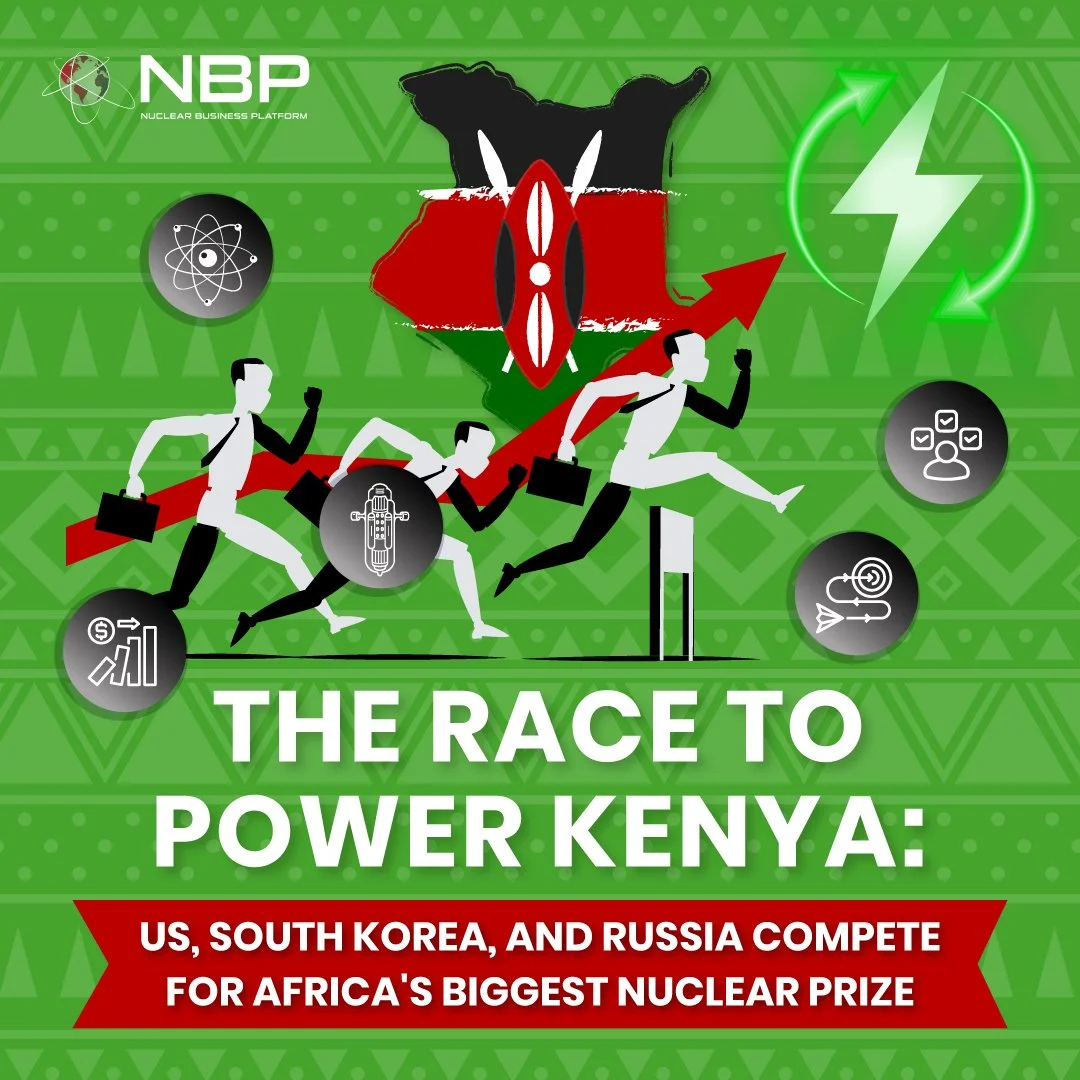
Kenya is emerging as a top nuclear energy market in Africa! With clear policies, robust regulations, and strong international partnerships, Kenya is poised for a 1,000 MW NPP by 2034 and a research reactor by 2032. Explore this stable, investment-ready market.
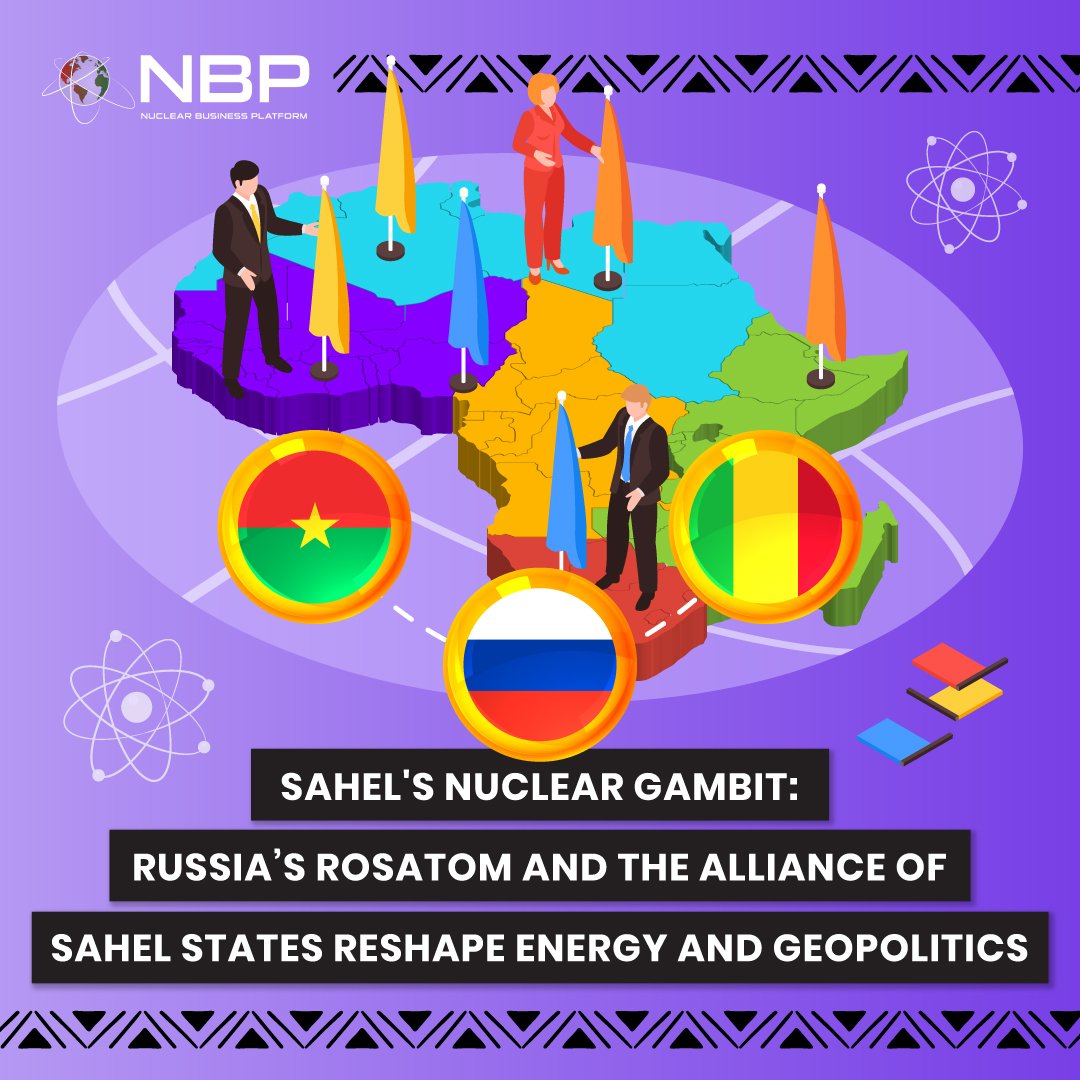
Russia is forging deep nuclear ties in the Sahel! Recent agreements with 🇧🇫 Burkina Faso and 🇲🇱 Mali solidify Rosatom's "turnkey" civilian nuclear programs, signaling a profound geopolitical shift.
Africa's nuclear ambitions hinge on a critical factor: developing a skilled workforce! With 15,000 MW of new nuclear capacity projected by 2035, countries are investing heavily in Human Resource Development (HRD) to ensure safe, efficient, and self-reliant nuclear programs.
Uganda has partnered with South Korea’s KHNP to advance its nuclear ambitions, signing a contract on May 27, 2025, for a 26-month site evaluation in Buyende to support an 8,400 MW nuclear plant by 2040. This aligns with Uganda’s Vision 2040, emphasizing local participation and capacity building.
Uganda is embarking on an ambitious nuclear journey! With plans for 24,000 MW capacity by 2040, the country is overhauling its legal framework, conducting site evaluations, and investing in workforce development to power industrial growth and achieve energy resilience.
Africa's energy future is nuclear! The continent faces a choice: Large Nuclear Power Plants (LNPPs) offer proven baseload, while Small Modular Reactors (SMRs) provide flexibility. Smart strategies & collaboration are key to unlock this multi-billion dollar market.
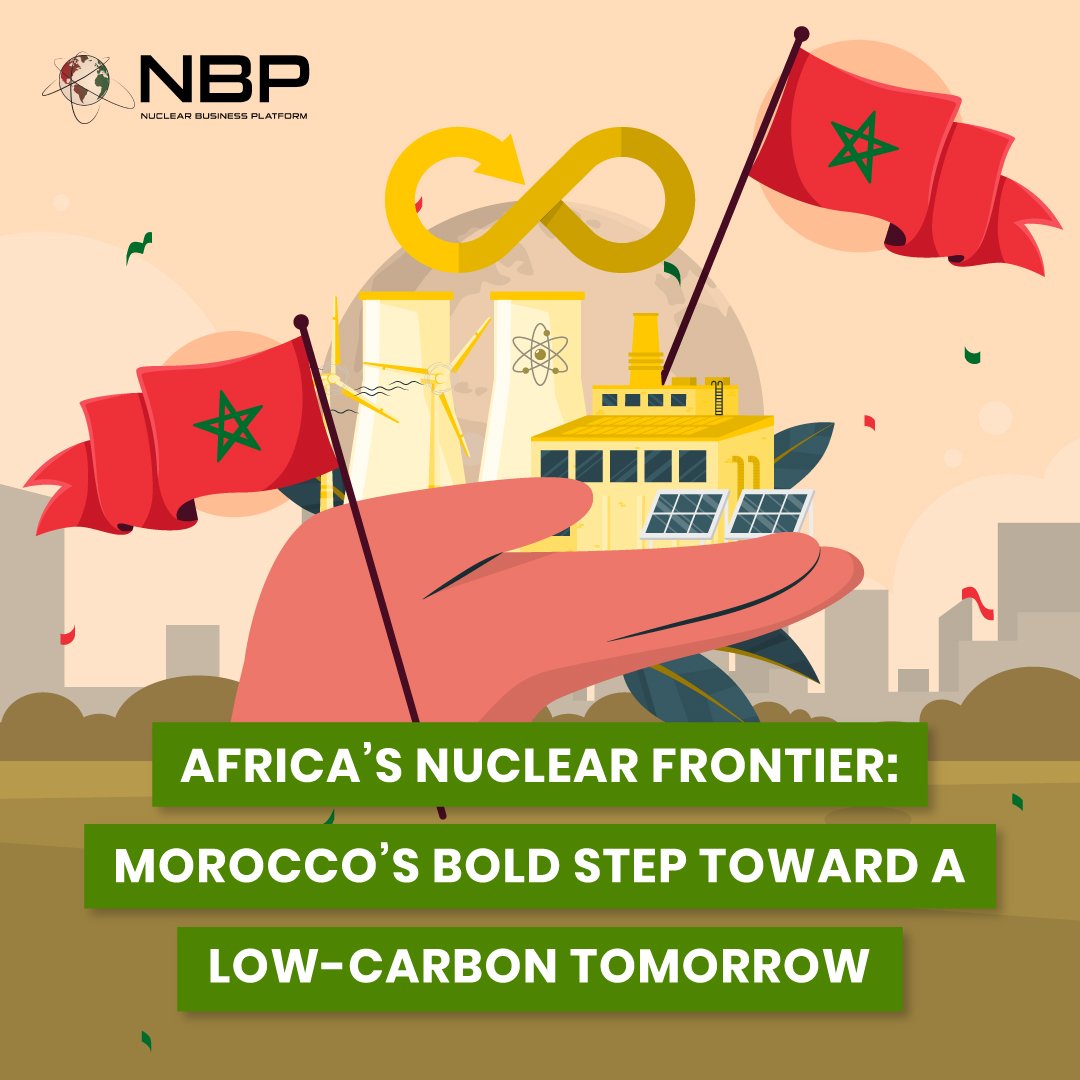
Morocco is strategically advancing its nuclear ambitions, leveraging vast uranium reserves from phosphate to secure energy independence. With strong regulatory progress, international collaboration, and plans for nuclear desalination and green hydrogen, Morocco aims to be a key player in Africa's energy transition.
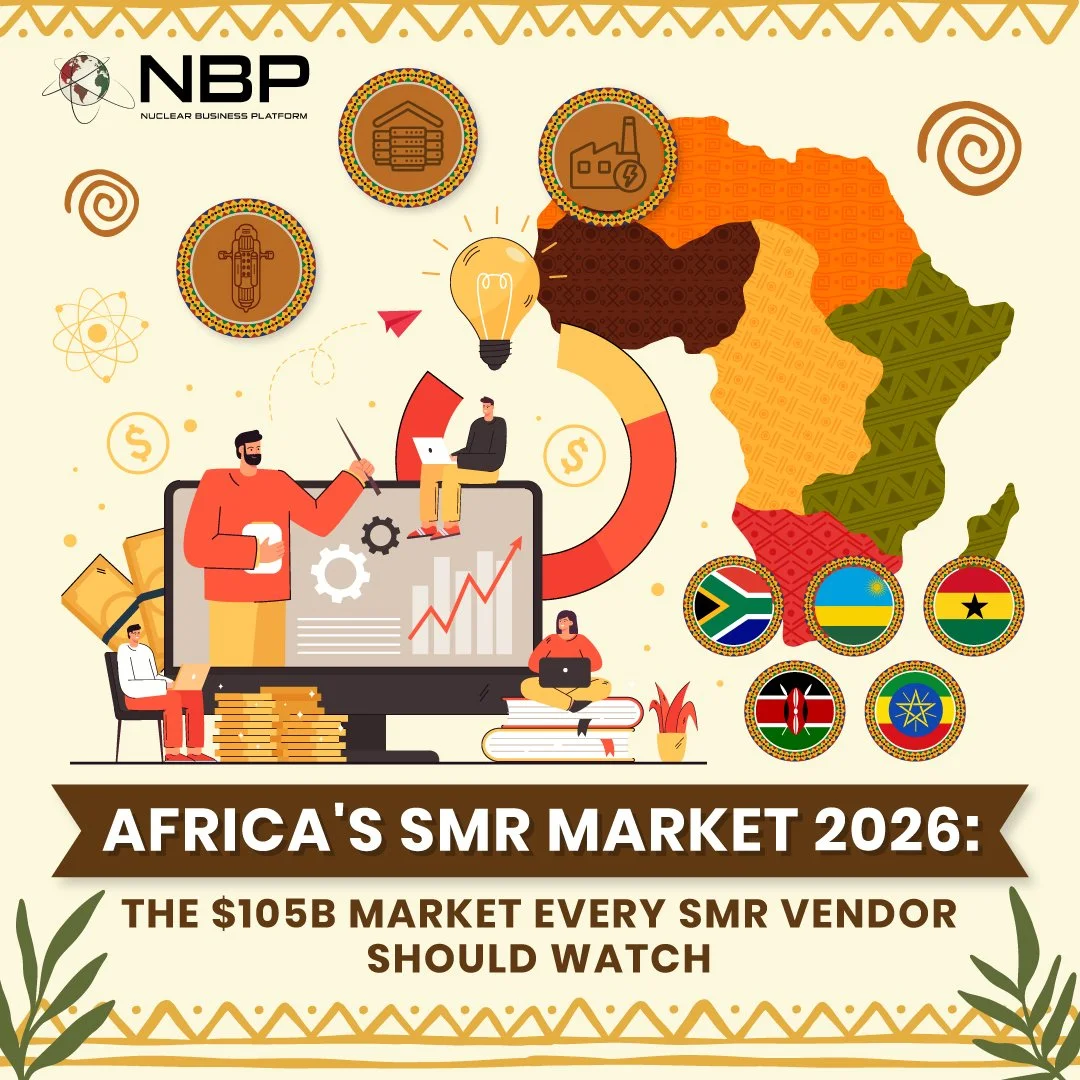
Africa's nuclear energy sector is surging! With a potential $105 billion market and plans for 15,000 MW by 2035, countries like Egypt, Nigeria, Ghana, Kenya, and South Africa are leading the charge. This expansion promises economic growth, industrial development, and a sustainable energy future.
Africa’s energy future is taking shape with nuclear power, led by Rwanda’s push for small modular reactors (SMRs). Dr. Lassina Zerbo envisions nuclear as key to meeting growing demand—1.5-3 GW by 2030—while tackling safety misconceptions and fostering regional collaboration with nations like Ghana and Egypt. It’s a leap toward energy security and climate goals.
Financing nuclear energy in Africa is a challenge, but innovative solutions are emerging! With limited fiscal space and underdeveloped financial markets, African nations are exploring diverse funding models.
South Africa is embracing nuclear energy to power its future! With ambitious plans to expand its nuclear capacity and reduce reliance on fossil fuels, South Africa is prioritizing a just energy transition and investing in a skilled nuclear workforce. By leveraging its uranium resources and embracing advanced technologies like SMRs, South Africa is poised to become a leader in Africa's nuclear renaissance.
Africa needs a unified approach to nuclear regulation! With 21 African nations exploring nuclear energy, harmonizing regulatory frameworks is crucial to attract investment, streamline project approvals, and accelerate the deployment of nuclear power.
Tech giants are turning to nuclear energy to power their AI ambitions, and Africa could be the next frontier! By establishing data centers in Africa and financing nuclear power plants, tech companies can tap into a growing market while contributing to the continent's development.
Is Africa Missing Out? The Nuclear Option for Sustainable Development The Mission 300 Africa Energy Summit focused on renewables, but overlooked a key player: nuclear energy. While solar and wind are important, they may not provide the consistent power needed for industrialization. Nuclear offers a reliable, zero-carbon solution for baseload power, supporting Africa's economic growth and energy independence.
Tanzania is powering up its nuclear ambitions with a focus on human capital development! With plans to expand its energy capacity and embrace nuclear power, Tanzania is investing in workforce training, international collaborations, and laboratory infrastructure. This strategic approach positions Tanzania as a future leader in the peaceful use of nuclear energy for sustainable development and economic growth.
Africa's nuclear ambitions are taking off! 2024 has been a landmark year for the continent, with significant advancements in SMR deployment, workforce development, and international partnerships. With a target of 15 GW of nuclear capacity by 2035, Africa is embracing nuclear energy as a key driver of sustainable growth and energy security.
Nigeria is embracing nuclear energy to power its future! With growing energy demands and a commitment to sustainable development, 🇳🇬 Nigeria is making significant strides in its nuclear program. By investing in infrastructure, forging international partnerships, and prioritizing human capital development, 🇳🇬 Nigeria is poised to become a leader in Africa's nuclear renaissance.
Africa can tackle its water and energy challenges with nuclear power! By harnessing nuclear energy, African nations can sustainably scale water desalination efforts and green hydrogen production, paving the way for a more secure and prosperous future.
BRICS+ nations are powering a nuclear future, with a focus on collaboration and sustainable growth! At the recent BRICS+ Business Forum, leaders emphasized the potential of nuclear energy to drive low-carbon solutions in developing regions, particularly in Africa. With ambitious targets for nuclear capacity and a commitment to sharing expertise and resources, BRICS+ is paving the way for a more balanced and sustainable global energy landscape.
Despite the immense potential of nuclear energy to address Africa's energy deficit, public perception remains a key challenge. South Africa, Ghana, Nigeria, and Kenya are leading the way with proactive public engagement initiatives to address safety concerns, build trust, and foster a supportive environment for nuclear power. By prioritizing education, transparency, and community involvement, African nations can unlock the full potential of nuclear energy for sustainable development and economic growth.
Africa is poised to turn its abundant uranium reserves into a source of clean energy and economic prosperity! Countries like Namibia and Niger are embracing nuclear power as a solution to energy deficits and a catalyst for industrialization. By leveraging their uranium wealth, these nations can achieve energy independence, drive economic growth, and lift millions out of poverty.
African nations are embracing nuclear energy to power their future! At the recent IAEA General Conference, countries like Kenya, Ghana, South Africa, and Nigeria showcased their progress in developing nuclear power programs. These nations are investing in infrastructure, building skilled workforces, and forging international partnerships to harness the benefits of nuclear energy for sustainable development and economic growth.
Africa's energy landscape is transforming with a projected 15,000 MW of nuclear power by 2035. Countries like Ghana, Uganda, Kenya, and Rwanda are leading this $105 billion investment, aiming for 1,000 MW reactors each, while Nigeria and Egypt have even bigger plans. This surge in nuclear energy investment promises stable returns, strategic partnerships, and sustainable development for Africa. Don't miss out on this golden opportunity – discover the countries leading the charge, the reasons why major global players are investing, and the potential for non-economic benefits in this exciting market.
With African nations rapidly embracing nuclear power, the need for a skilled workforce has never been greater. From Ghana to South Africa, countries are building reactors and training the next generation of nuclear professionals. This article explores the vital role of human resource development in Africa's nuclear renaissance, highlighting partnerships, educational initiatives, and the potential for a brighter, energy-secure future.
Africa NBP 2025
22-24 April 2025
Rabat, Morocco
AFNBP 2025 is a timely high-level and quality industry meeting which brings together all the key stakeholders both from the African and international nuclear community to understand and discuss both African and global nuclear sector developments
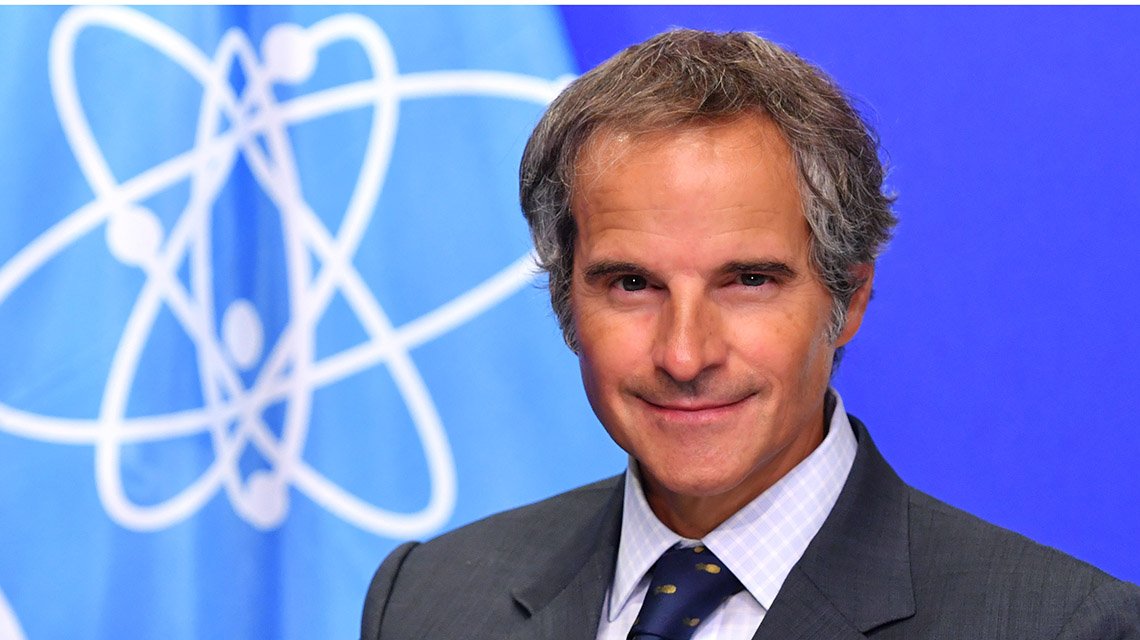
Rafael Grossi, Director General, International Atomic Energy Agency
“Of the nearly 30 so-called newcomer countries that are embarking [on] or considering nuclear power, almost one-third are in Africa. Why are countries in Africa looking at nuclear? Very simple. The reasons vary, but they all come back to one word: reliability. Nuclear power is a present solution. It is also a future energy alternative. It may not be for everyone. But for many countries in Africa, it is an option worth looking at.”